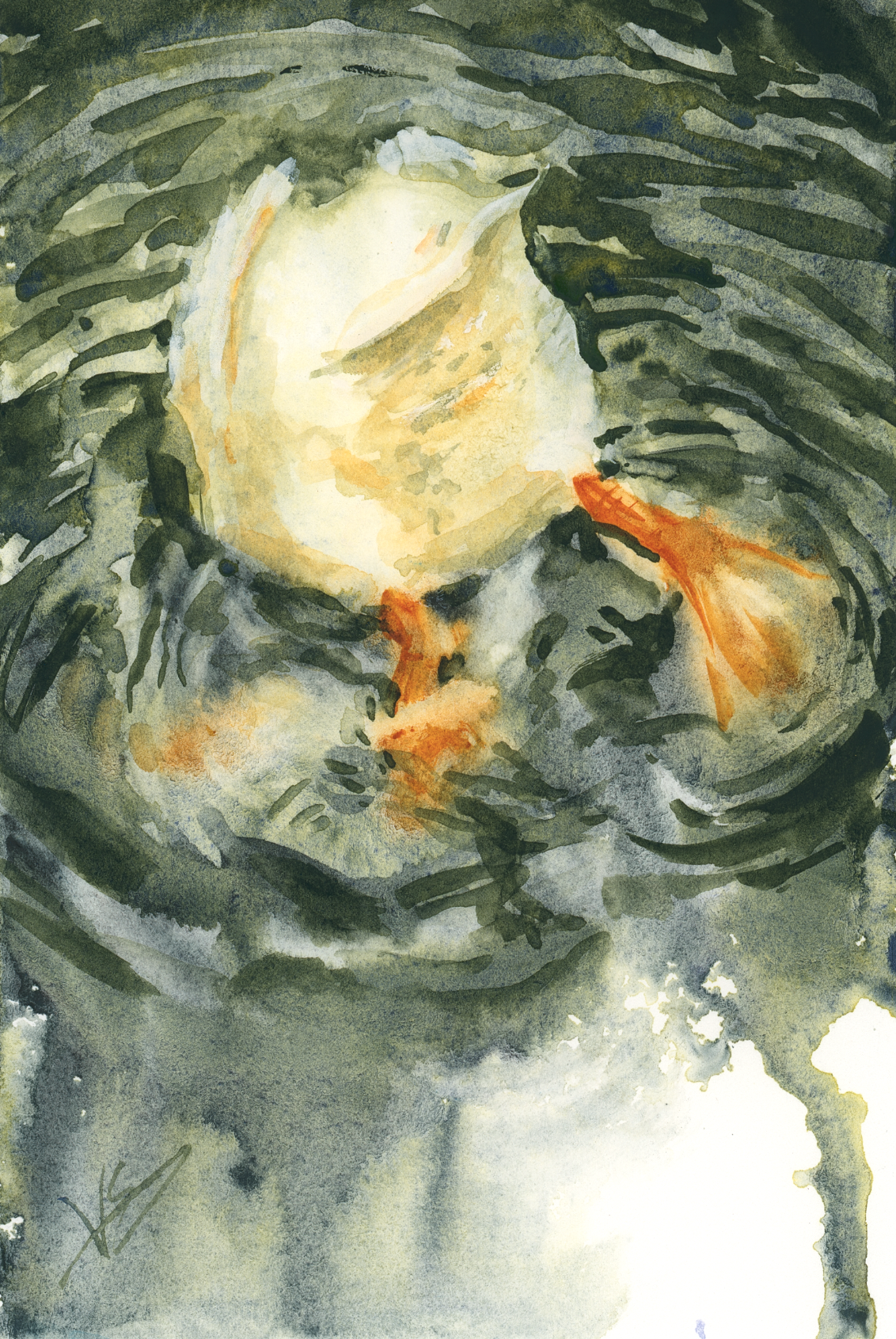
Painting a Feeding Duck in a Pond: Mini Watercolor No. 4
There's something irresistibly charming about a duck with its bottom in the air, completely unbothered by the world. For the fourth of six mini paintings I'm preparing for a gallery show, I wanted to capture exactly that — a duck feeding in a pond, feet up, head submerged. What followed was a lesson in trusting the process, knowing your materials, and learning when to be brave with dark values.
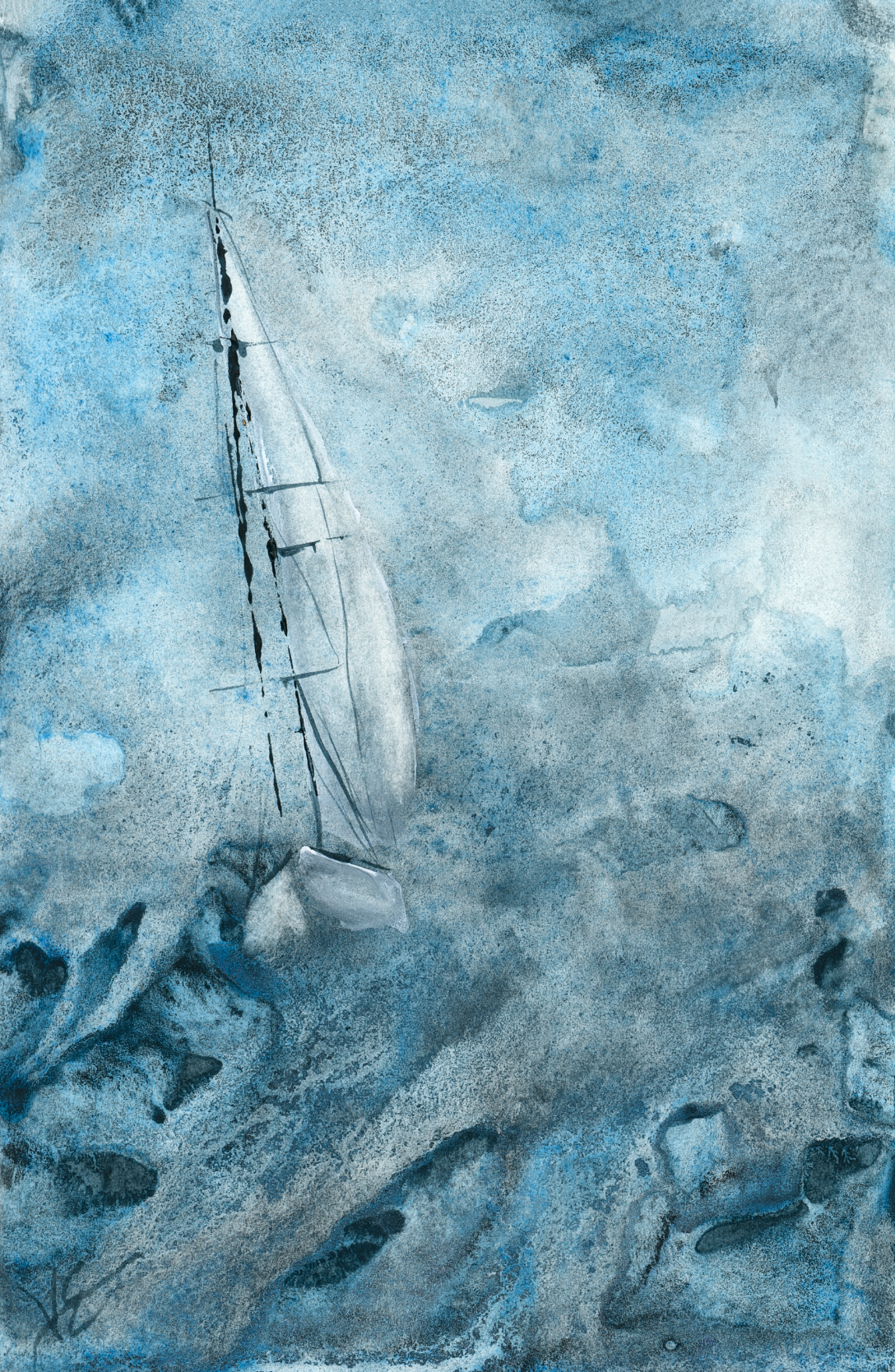
Painting a Monochromatic Sailboat in Rough Waters: A Mini Watercolor Adventure
What happens when you challenge yourself to paint a stormy seascape using only one color? I recently tackled a mini sailboat painting using Daniel Smith Lunar Blue — and while I struggled, experimented, and second-guessed myself more than once, the end result reminded me exactly why I love watercolor.
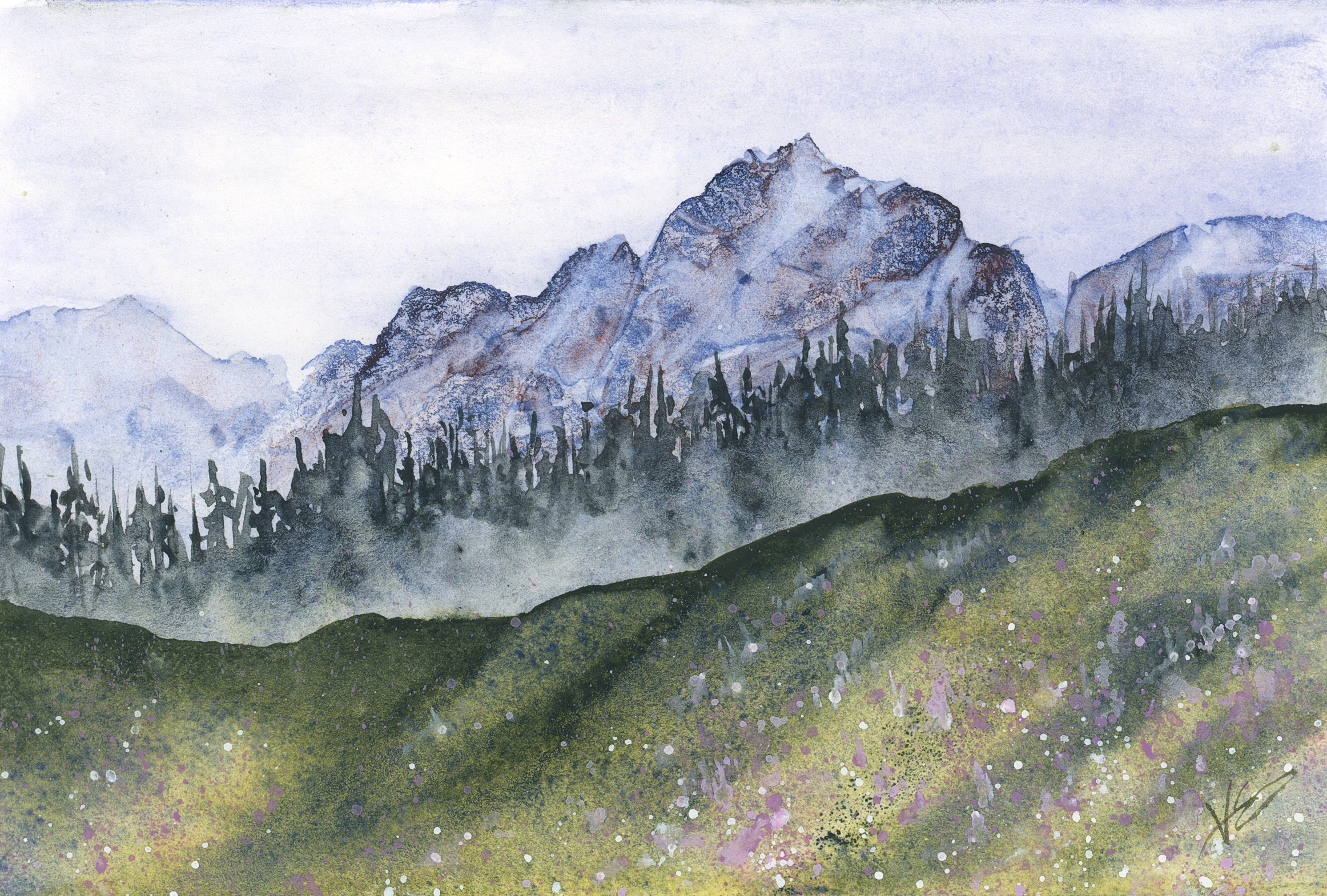
Painting a Mini Mountain Landscape: Layers, Texture, and Knowing When to Stop
Mini paintings have a way of teaching you discipline. When you're working on a four-by-six-inch piece, there's simply no room for unnecessary detail — and that constraint turns out to be one of the best creative exercises I know. This mountain landscape pushed me to rethink my usual workflow and slow down between layers in a way I rarely do.
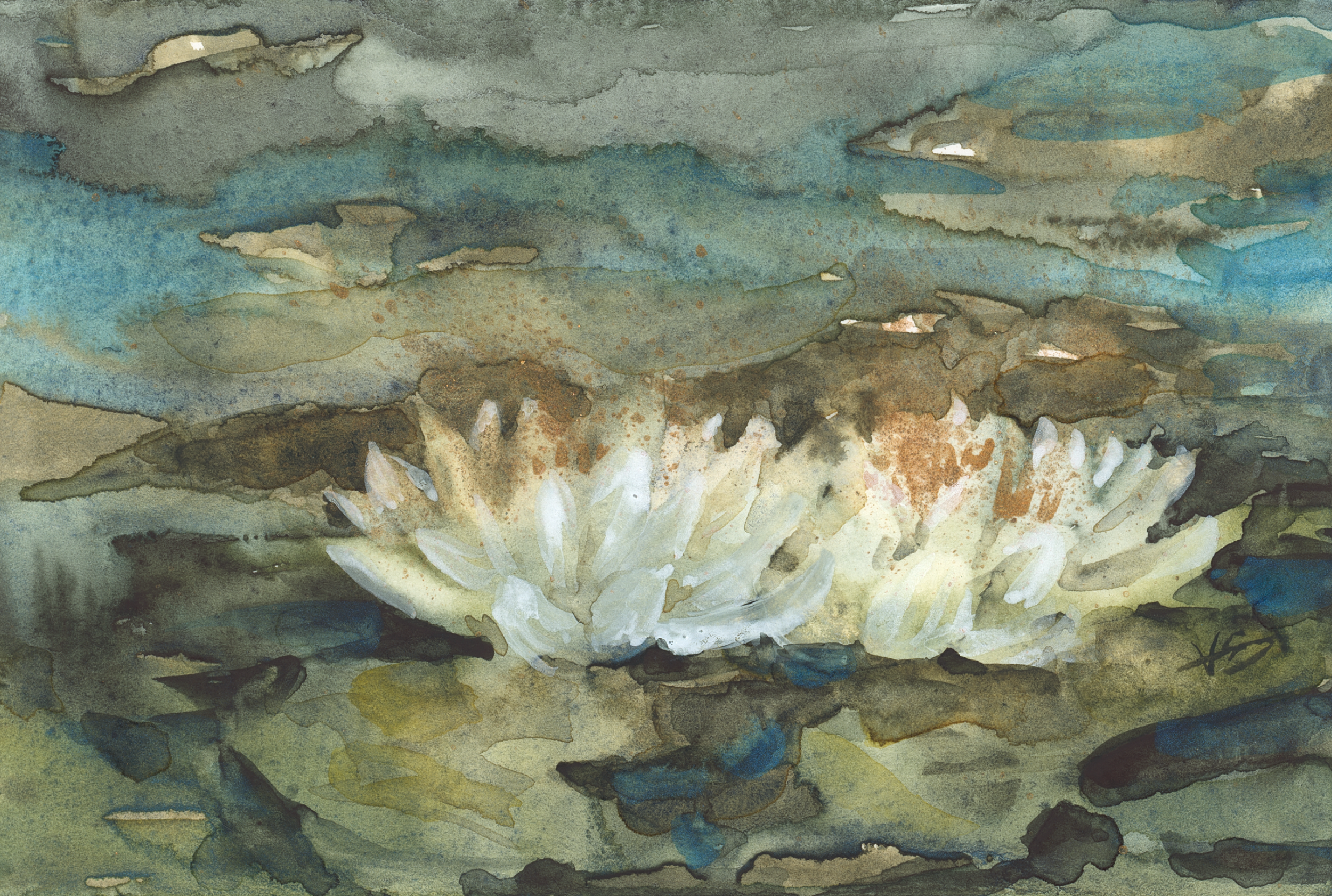
How I Painted a Mini Water Lily Piece with a Limited Green Palette
Even when painting a pond full of color, I keep my palette surprisingly tight. In this mini water lily painting, I relied on just three greens — and a little iridescent magic — to create depth, drama, and that signature shimmer that makes an original piece feel truly special.
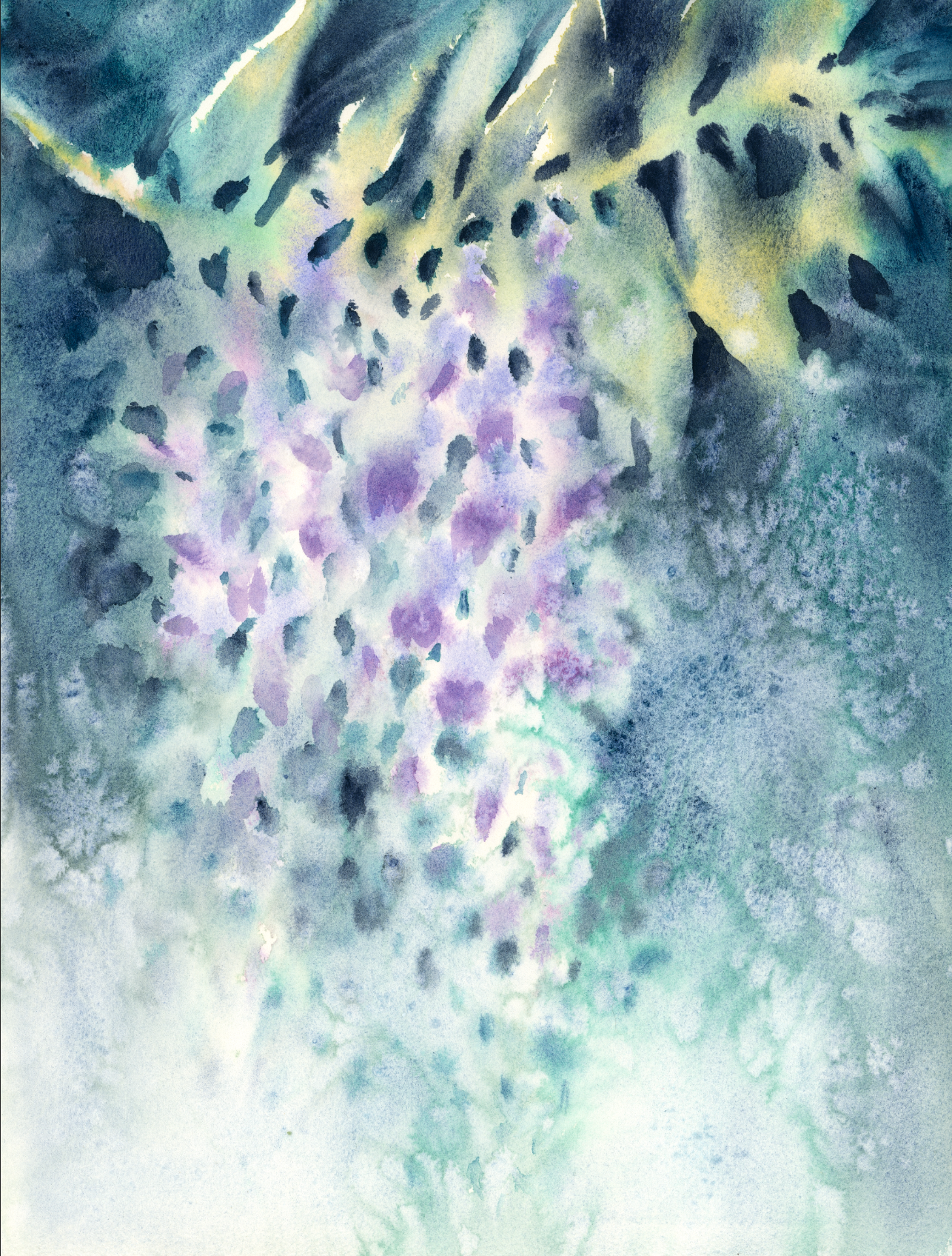
Painting a Glowing Wisteria in Negative Style: An Ethereal Watercolor Tutorial
I don't usually paint this way. Wetting both sides of the paper, working entirely in negative space, carving out light rather than painting it — this was a departure from my usual process in almost every way. But that's exactly why I loved it. Here's how I painted a glowing stalk of wisteria and what I learned along the way.

Rainbow Mountains at Sunrise: A Quick and Joyful Watercolor Tutorial
This painting took me about 12 to 15 minutes from start to finish — and that includes blow-dry time. It's one of those projects that's just pure fun: bright colors, simple shapes, and a technique that anyone can pull off. Here's exactly how I did it.
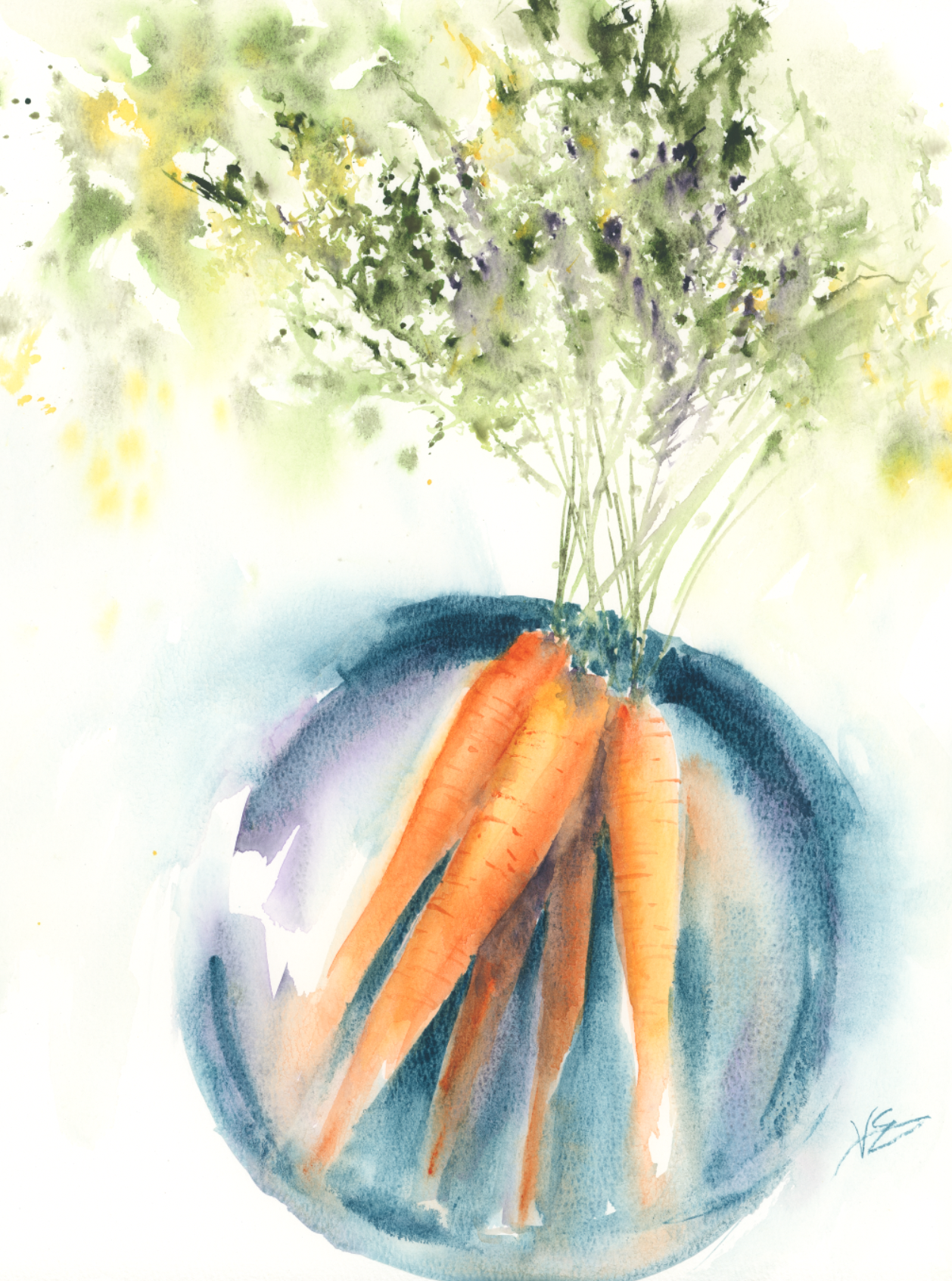
Painting Carrots on a Blue Plate: How a Reluctant Still Life Became One of My Favorites
I don't usually paint vegetables — but when I stumbled across a photo of carrots on a blue plate while searching for Easter-themed reference images, that orange and blue color story pulled me in immediately. Here's how I dove in, second-guessed myself, kept going anyway, and ended up with a painting I'm genuinely proud of.
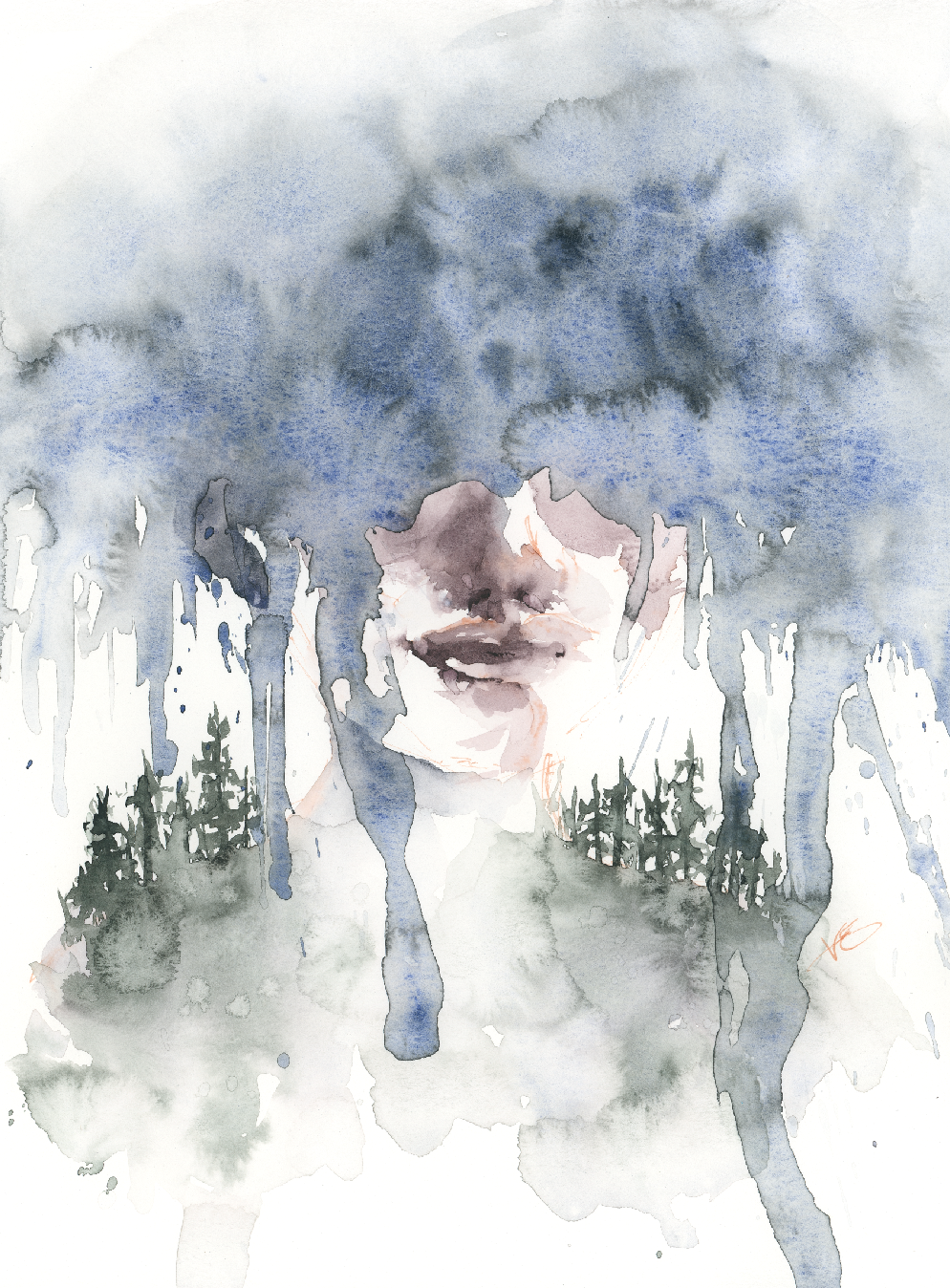
Surreal Portraits, Fountain Pens, and Painting Outside My Comfort Zone
I bought a fountain pen in Victoria with my birthday money and then promptly had no idea what to do with it. Flowers and animals are my comfort zone. Surreal portraits are decidedly not. So naturally, I decided to combine the two problems: use the pen I had no excuse for, paint the kind of portrait I had been avoiding, and do it all on cheap paper so I could YOLO my way through a cloud. Here is how it went — honestly, imperfectly, and with a few things I would absolutely do differently.
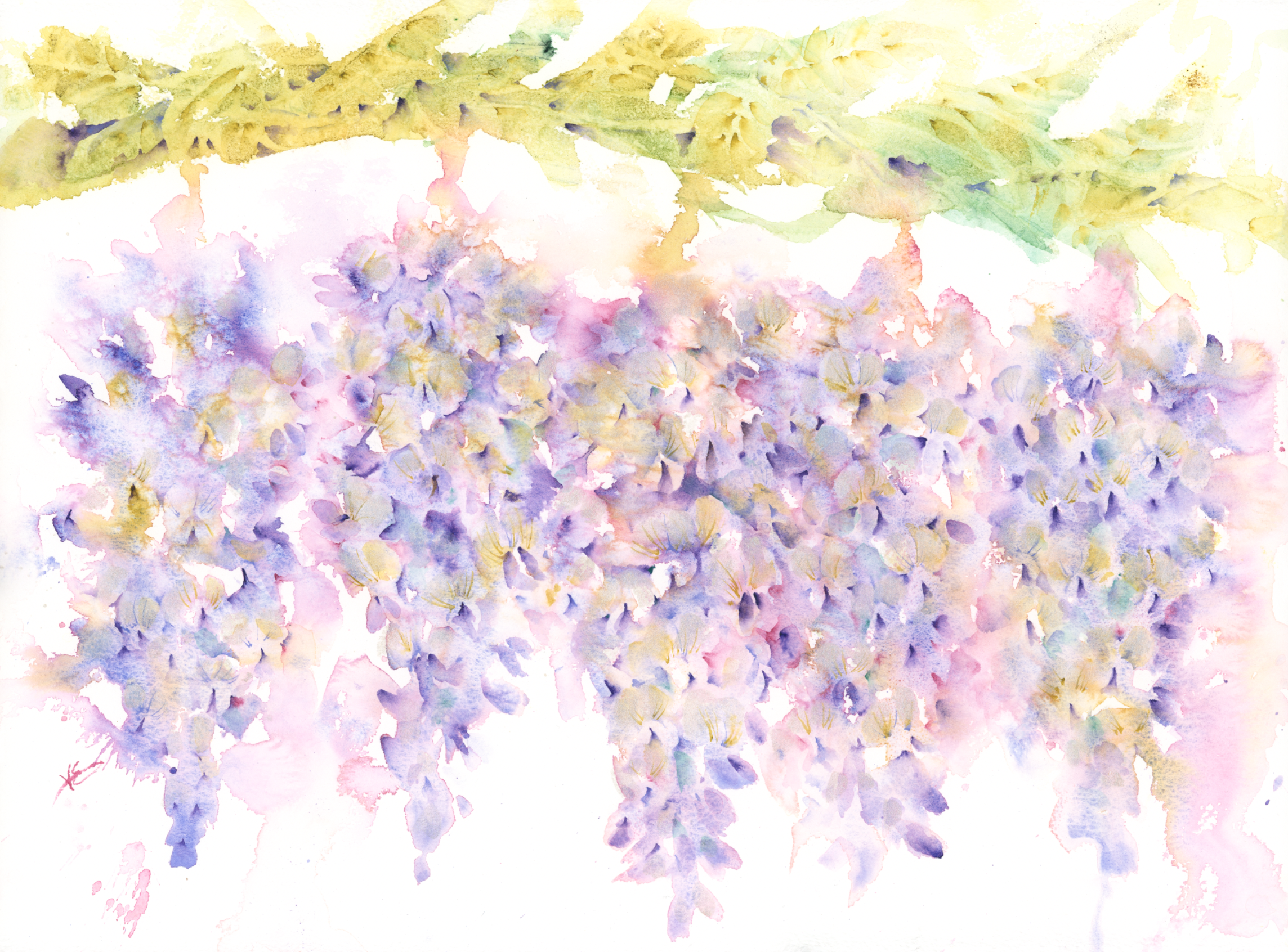
I Finally Painted Wisteria (And It Nearly Broke Me — In the Best Way)
Wisteria has been on my painting list since I started watercolor back in 2019. I kept putting it off — either not confident enough, or too honest with myself about my attention span. This year I finally said: it is time. And a few hours in, surrounded by the most labor-intensive painting I have done in recent memory, I looked up and thought — I did this to myself. Here is everything I learned, everything I would do differently, and why I would absolutely do it all over again.
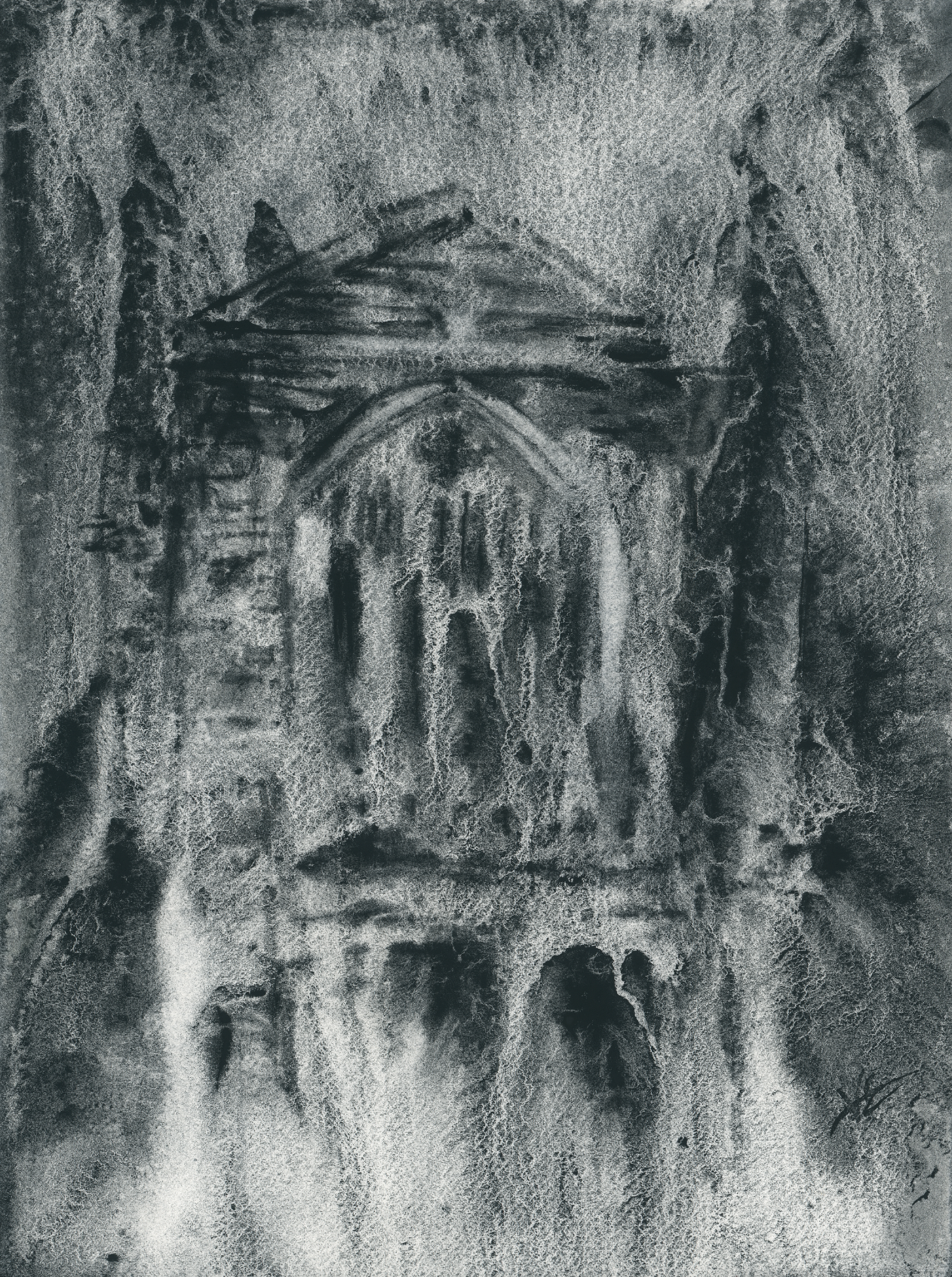
One Color, One Session: Painting a Moody Architecture Study with Daniel Smith Lunar Black
One color. One session. Twenty minutes. That is all it took to paint this moody architectural study of the Scarritt Bennett Center church in Nashville — and the entire thing was done without ever letting the paper dry. Using only Daniel Smith Lunar Black on thoroughly saturated Canson Heritage Hot Press paper, I tilted, spritzed, stamped, and scrubbed my way through a painting that was less about control and more about letting the water do the work. Here is exactly how I did it.